With the skyrocketing prices of housing and gas, the ability to put healthy, adequate plates of food on the table with limited resources may seem like a challenge.
The USDA estimates that food purchased from grocery stores and supermarkets are expected to increase between 8.5 – 9.5% this year, thus exceeding the historical averages in 2020 and 20211.
Eating outside the home won’t be any cheaper. In fact, the USDA anticipates that food eaten away from home, for example at restaurants, will increase between 6 to 7% this year.
Moreover, the cost of meat, poultry, fish, and eggs has seen a 13% increase since last February.
These statistics shed light on the gravity of food insecurity.
According to Feeding America, 38 million people face food insecurity within the U.S.
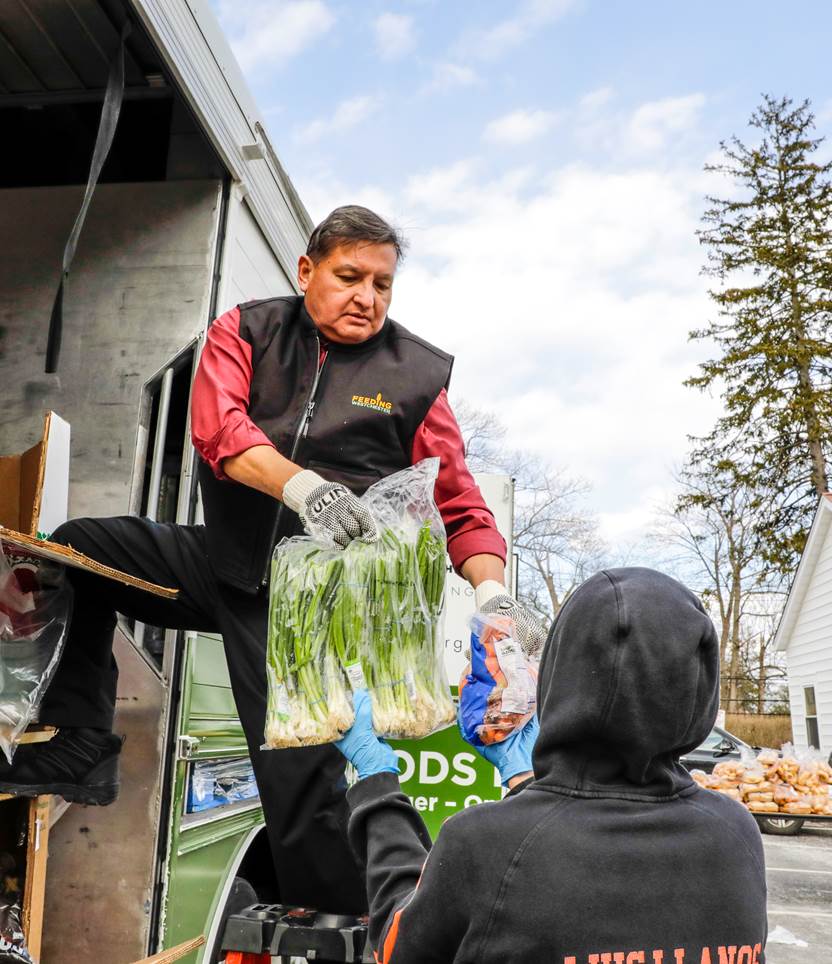
Many of these households do not qualify for federal nutrition programs and as a result, they utilize local food banks or pantries for supplemental support.
Children are also deeply impacted, especially during the summer. As many as 22 million children rely on school meals each day.
When schools are closed or limited, access to a nourishing meal is greatly impacted.
Juggling between household expenses and healthy meals can be a challenge. More than ever, it is important to maximize our dollars.
Coupons and simply avoiding food away from home is a great start, but there are many other ways to eat healthy on a budget.
If we all make small adjustments to the way we shop, consume, and store our foods, it could make a significant impact on our purchasing power.
Let’s dive into some helpful tips:

Make a List
Before you head out to shop for food, take a look into your refrigerator, freezer, and pantry to see what items you need and possible meals you’d like to make.
It’s also a great idea to plan meals around sale items, so be sure to look at your local grocery store fliers.
Eat Before You Shop
If you know you are going food shopping at the end of a long day, make sure to bring something to snack on just before heading out to shop.
You will be tempted to buy food not on your list if you are hungry!
Buy Sale Items and Generic Brands
Both typically cost significantly less than name-brand items.
Choose Canned and Frozen Goods
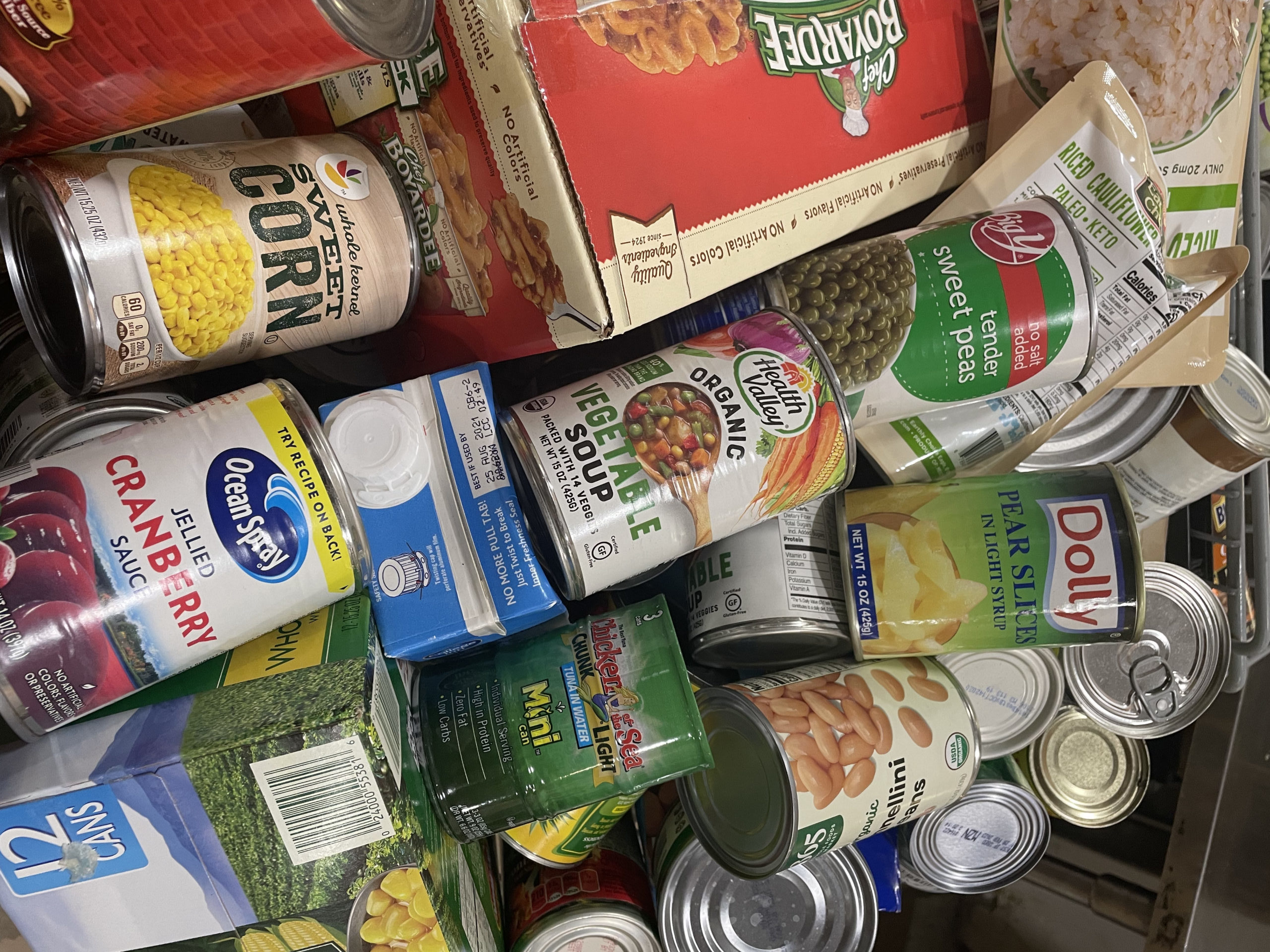
When possible, choose canned and frozen fruits and veggies.
Not only are the nutrients comparable to their fresh counterparts, but many canned and frozen goods can last a long time.
Canned meats and fish are also convenient and have a long shelf life, but watch out for high sodium (better known as salt) content.
Double your SNAP dollars
You can maximize the value of your SNAP dollars by purchasing produce from your local farmers’ market or grocery store.
For every dollar you spend on fruits and vegetables, the double-up program matches your purchase up to $20 per day.
For more information or to find a location where you can double up your EBT/SNAP funds, visit: https://doubleupnys.com/
Compare Prices
As you shop for food, look for the “unit price”, on the shelf tag.
Unit price refers to the price you pay per unit measurement, rather than the total amount for the entire item.
Use unit pricing to compare the cost of different foods across brands (store brand versus name-brand), packaging (fresh versus frozen), and different sizes.
Interested in Learning More?
Our Just Say Yes to Fruits and Vegetables program provides free, exciting workshops on a host of nutrition and wellness topics including healthy eating on a budget. Email our nutritionist, Alyssa Advincula at: aadvincula@feedingwestchester.org
For other nutrition questions or inquiries, e-mail our nutrition resource manager, Monique Marshall at: mmarshall@feedingwestchester.org