
« Back to Blog

4 Amazing Benefits to Eating Seasonal Produce

  • June 28, 2022
  • Monique Marshall, MS, RDN, CD-N

Have you ever purchased fruit and noticed that it tasted better in the summer versus the spring?

Perhaps you’ve shopped for vegetables and noticed a significant difference in the selection during the winter versus the summer. All of these scenarios relate to purchasing and eating your fruits and vegetable by the season. 

Seasonal eating means purchasing and eating fresh fruits and veggies around the time they have been harvested, or ripened and gathered from the fields. 

The start of June always signifies sunny-filled skies, warm temperatures, and exciting outdoor activities. 

Each season brings a different variety of products, and although we may enjoy certain fruits and veggies throughout the year, the best time to purchase or eat them is when they are harvested. 

More Nutrients

Produce that has been grown, ripened, and eaten during its peak season, typically has a greater amount of nutrients.

This does not mean that you will not get any nutrients, like vitamins and minerals, from produce eaten off-season. However, the nutrient content may be lower.

Better Flavor and Greater Quality

Naturally ripened and harvested produce typically has a bolder flavor than its counterparts.

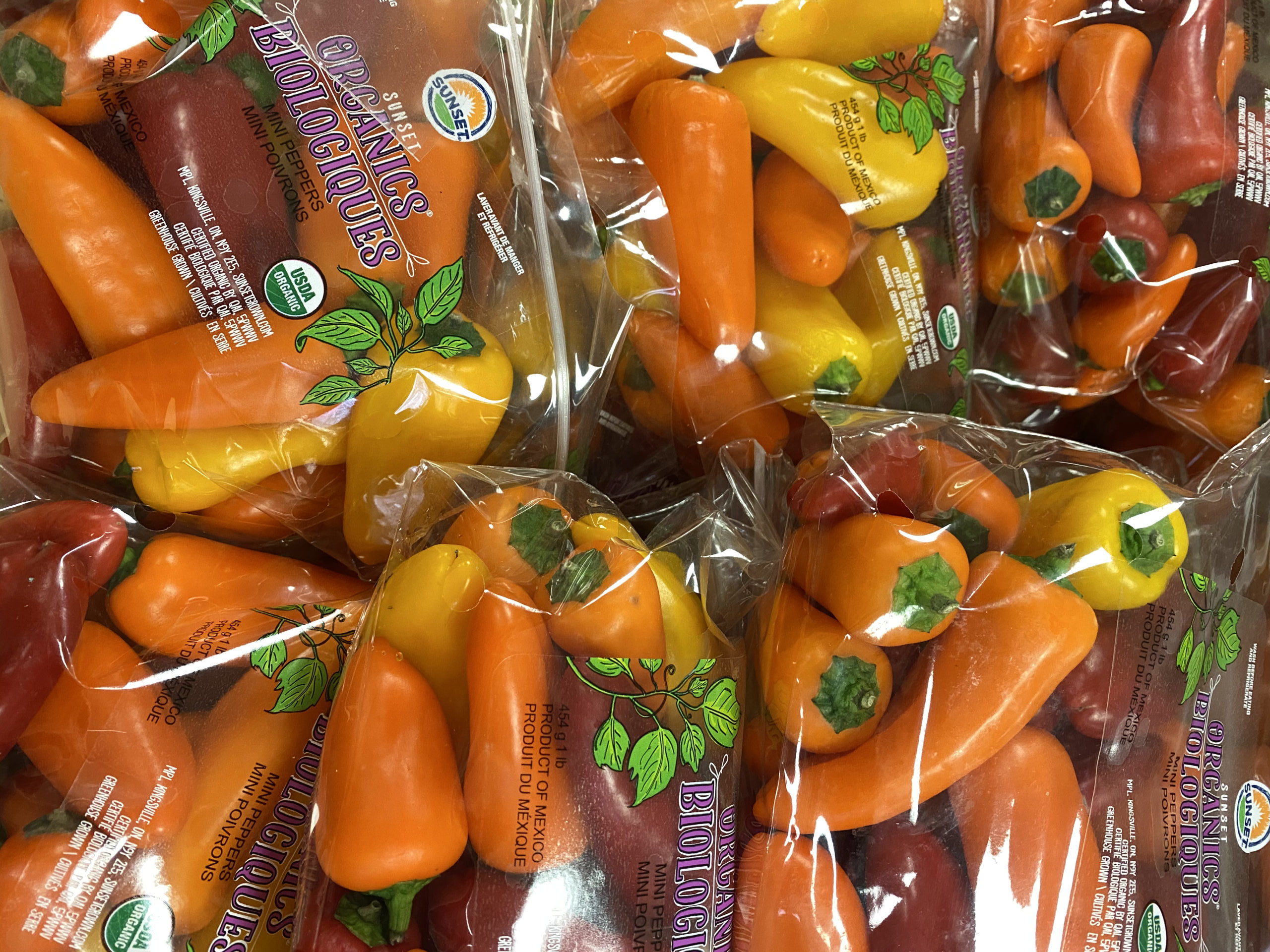
You’ll find that produce grown in season is better tasting, has a stronger flavor, as well as greater texture and color. Think of robust tomatoes, sweet-tasting strawberries, and vibrantly colored bell peppers.

Lower Cost

Purchasing seasonal produce is less expensive than purchasing off-season because there is a greater supply available.

Given that the crop is in-season, farmers are able to harvest large quantities, so the supply is greater than the demand.

In addition, in-season produce that is harvested by local farmers requires fewer resources such as travel and storage, which ultimately reduces production costs and makes it cheaper for the consumer.

Helps Our Environment

Growing food out of its natural season typically requires human intervention such as fossil fuels which mimic or recreate seasonal weather conditions.

Consuming produce in season does not require these resources and reduces the negative impact on our environment.
On the other hand, eating with the seasons can have some challenges.

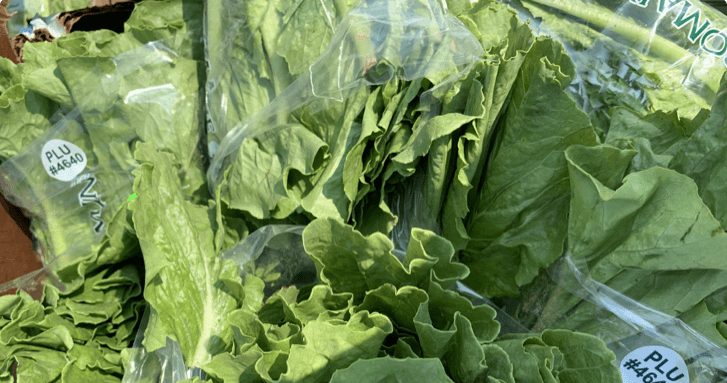
For instance, during the winter months, there may not be a great variation in the selection of produce. To combat either challenge, consider experimenting with frozen or canned fruits and veggies. 

You can also freeze your own fruits and veggies, then pull them out when you’re ready to eat them during the colder months.

Be careful, though, some fruits and veggies, like celery, cucumbers, watermelon, and bell peppers, do not freeze well.
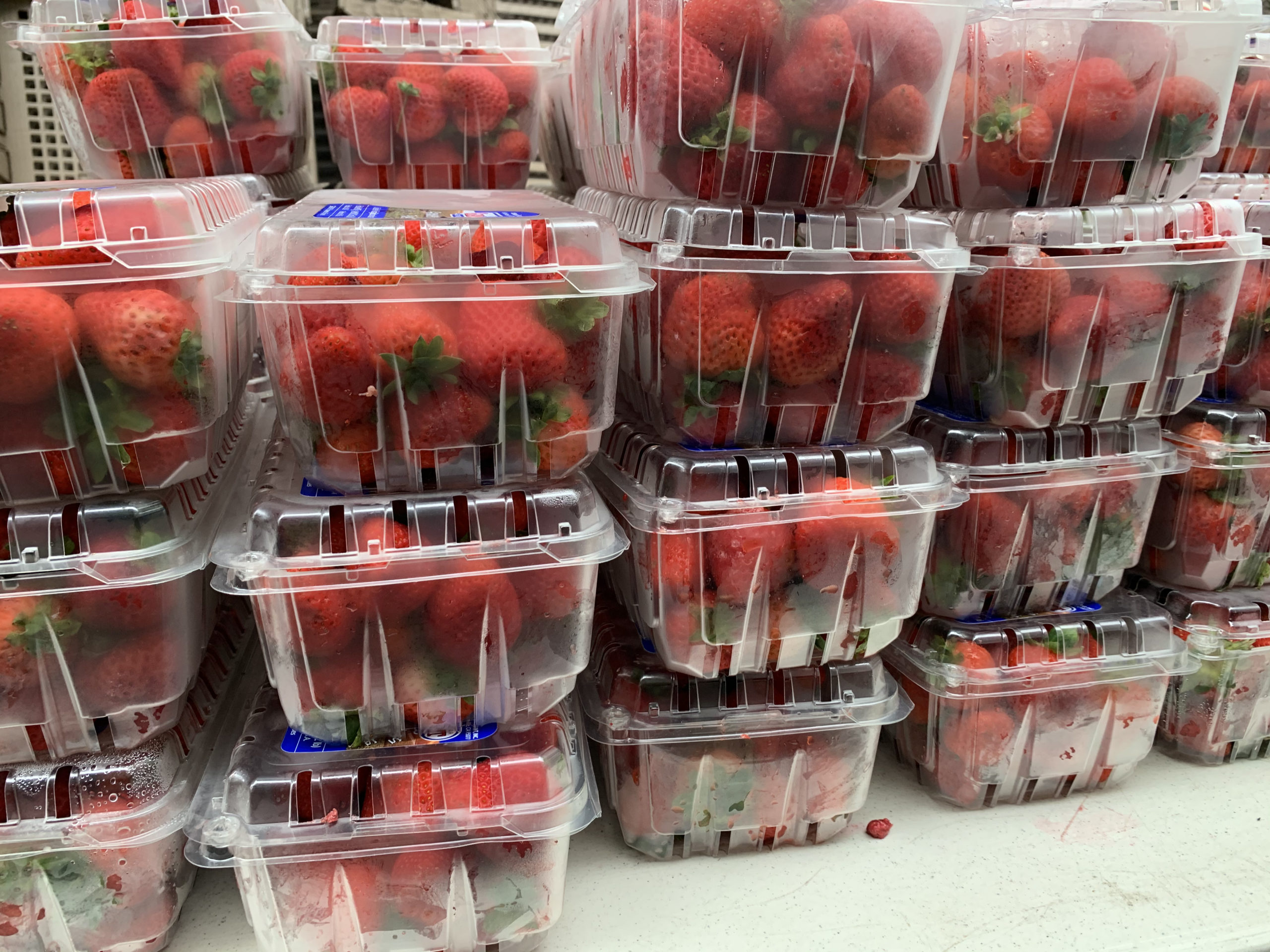
In New York, beets and strawberries are best during the summer months. 

Check out these delicious, healthy recipes which highlight both:

Berries with Banana Cream

Gingered Beet and Carrot Slaw

Have any questions about nutrition? Email Feeding Westchester’s Nutrition Resource Manager, Monique Marshall at mmarshall@feedingwestchester.org.
Most Recent Posts

Advocacy in Action: Ciara Mulligan on Hunger and Policy

Partnership in Action: How CHOICE of NY Is Creating a Place of Support and Care

Feeding Westchester Welcomes Two New Members to Board of Directors

New Food as Medicine 3.0 Findings Show Nutritious Food Can Support Better Health Outcomes in Westchester

How Partnership and Compassion Are Strengthening Westchester’s Hunger-Relief Network

How Communication Drives Community Impact

PrevPreviousGovernor Hochul Announces Grant to Feed More Remote, Rural, Tribal, and Low-Income New Yorkers
Next6 Ways to Cut That Outrageous Grocery BillNext
  • Find Help
    • Food Pantry Locator
    • Mobile Food Pantry Schedule
    • SNAP & Benefits Assistance
    • United Way 211 Helpline
    • FAQs
  • Give Now
    • Make a One-Time Gift
    • Monthly Giving
    • Other Ways to Give
    • Planned Giving
    • Donor Portal
  • Events
    • An Evening in Good Taste
    • Golden Scoop
  • Get Involved
    • Volunteer
    • Fundraise
    • Corporate Partnerships
    • Advocacy
    • Other Ways to Help
    • Feeding Westchester Store
  • Our Work
    • Feeding Westchester Hunger Report
    • Community Stories
    • Quarterly Newsletter
    • Blog
    • Food Dating Guide
  • About Us
    • Our Team
    • Financials & Reports
    • News & Media
    • Contact Us
Partner Portal