At Yonkers Community Action Program (YCAP), supporting older adults starts with a simple idea: Food should be accessible, nourishing, and delivered with care.
Kevyn Aguirre, YCAP’s Family Services and Program Support Manager, leads the organization’s food-related work, including its Senior Grocery efforts. Every other week, YCAP volunteers sort and pack food for older adults across the community, preparing bags with pantry staples, fresh fruits and vegetables, dairy, poultry, and other proteins. Some deliveries go to two senior sites, while others are prepared for home delivery for neighbors who are homebound or older adults with limited mobility.
For many older adults, that support is essential.
“The first thing they request is produce,” Kevyn shared. “They want fruits and vegetables. They want variety.”
The Senior Grocery Program helps make that possible by providing not only staple items, but also a broader range of fresh food that reflects seniors’ preferences and dietary needs. Kevyn said the program allows YCAP to offer more variety than usual, including items from Feeding Westchester that seniors are especially glad to receive, such as fish and other proteins that may better meet their health needs and dietary restrictions.
That work is made possible through partnership.
About 95% of the food YCAP distributes through this work comes from Feeding Westchester, Kevyn said, with the remaining 5% coming from donations YCAP receives directly. That partnership allows YCAP to keep food moving to older adults and families who rely on it, and to prepare bags that are full, practical, and responsive to what neighbors need most.

“It really does help the community a lot,” Kevyn said.
The impact of that support becomes especially clear in moments of urgency.
Kevyn recalled one emergency delivery that has stayed with him. A man called asking for food because he was unable to walk to the pantry. Kevyn packed a bag with dry goods, fresh produce, dairy, meat, and other essentials, then delivered it to his home. When he arrived, the man opened his refrigerator. Inside, there was only a bottle of water and a bottle of ketchup.
“He said he had just finished his last meal right before I walked in,” Kevyn said.
For Kevyn, that moment was a lasting reminder of how hidden hunger can be, especially for older adults and neighbors with limited mobility. It also underscored why home delivery and senior-focused programs matter so deeply.
“People need to put themselves in seniors’ shoes,” he said. “There are some people who should not even be waiting in line. They should just get it delivered.”
That perspective shapes the way YCAP serves its community. Alongside nutrition support, the organization offers a range of services for local residents, including youth programs, utility assistance, back-to-school vouchers, drug prevention, and more. Still, nutrition support remains one of the clearest and most immediate ways YCAP can meet neighbors where they are.
Alongside this work, YCAP also relies on the dedication of longtime volunteers Rodolfo, Pedro, and Jesus, who each give two to three hours a day, Monday through Friday, and sometimes Saturdays, to support the community. Rodolfo, YCAP’s main volunteer, lives just down the street and keeps coming back for a simple reason: he loves helping his community. His steady presence is one more example of how local care and commitment help make this work possible.
Community partnership plays a central role in making that happen. For YCAP, support from Feeding Westchester brings not only food, but also the connections and infrastructure needed to reach more people with consistency and care.
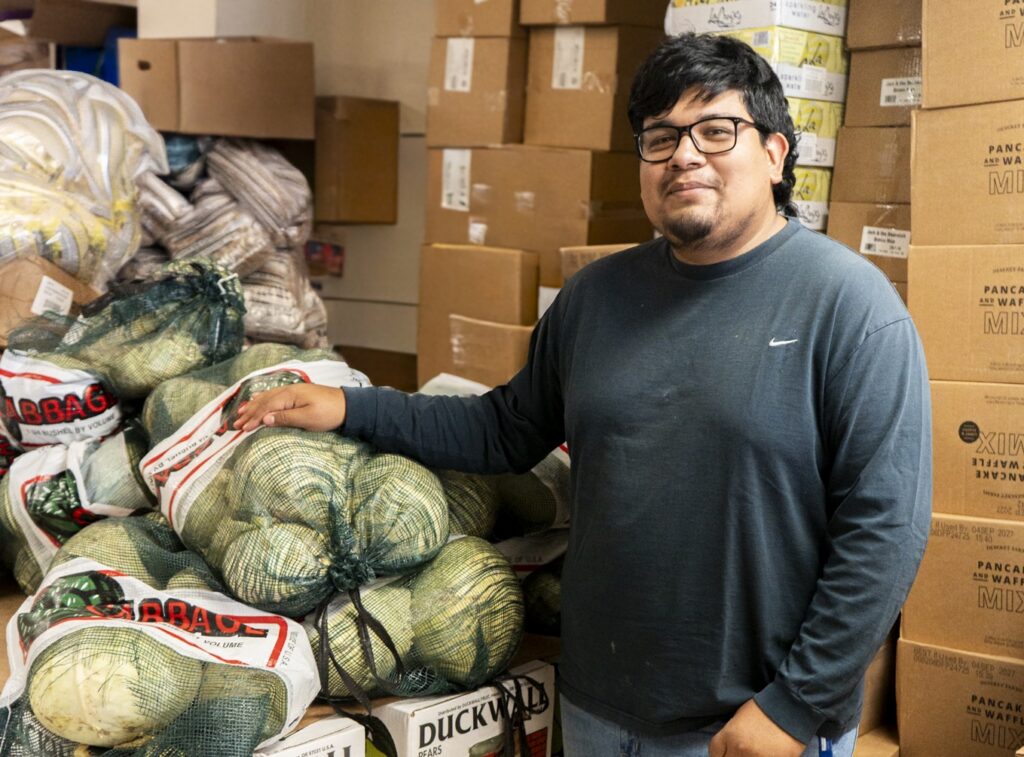 Kevyn also wants neighbors facing hunger to hear one message clearly: nobody should ever feel shame about asking for food or seeking support. Reaching out for help should never come at the cost of someone’s dignity. A strong community shows up for one another with respect and care.
Together, Yonkers Community Action Program (YCAP) and Feeding Westchester are helping ensure older adults in Westchester can access the food they need in ways that respect their health, dignity, and independence. No one should have to choose between going without food and trying to navigate barriers they cannot overcome alone. Together, communities are stronger when neighbors support one another.