At the Dobbs Ferry Food Pantry, neighbors find more than food.
They find a welcoming space, caring volunteers, and the opportunity to choose the foods that work best for their households. That sense of dignity and community is at the heart of every distribution.
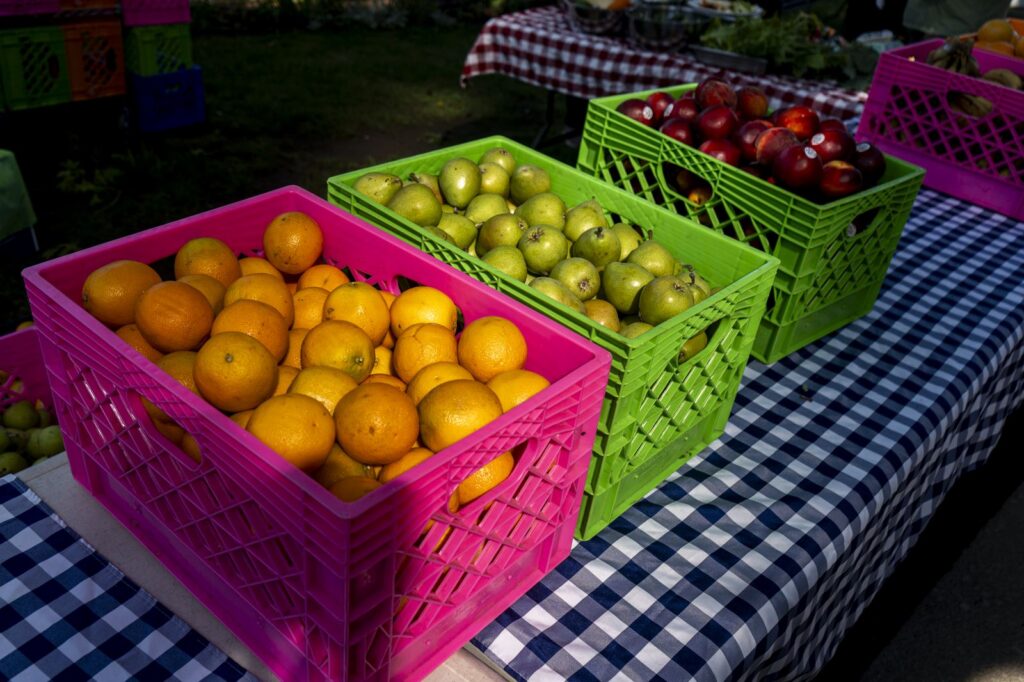
Through its partnership with Feeding Westchester, the Dobbs Ferry Food Pantry has created an experience that feels less like a traditional food distribution and more like a neighborhood market. Tables filled with fresh produce, pantry staples, and other nutritious foods invite neighbors to browse and select what they need. Music plays in the background. Volunteers greet people warmly. The atmosphere is thoughtful, familiar, and rooted in respect.

For Vera, co-director of the Dobbs Ferry Food Pantry, the work is a natural continuation of a life spent supporting others. After retiring from a career working with people with developmental disabilities, she began volunteering at the pantry and later stepped into a leadership role.
Before the COVID-19 pandemic, the pantry served about 30 families indoors. As need grew, the team adapted quickly, serving nearly 175 families at the height of the pandemic. But when restrictions eased, they did not simply return to what had been before. They saw a chance to build something better.
They redesigned the experience around choice.
Instead of receiving pre-packed bags, neighbors could once again select the foods that made the most sense for their families, preferences, and routines. That shift was important. Choice helps reduce waste, makes food more useful at home, and recognizes that every household is different.
“It’s really a joy to be here,” Vera said.
That vision was also shaped by Donna, a volunteer leader who joined the pantry after retirement. Drawing on years of experience creating welcoming environments, she helped transform the distribution into an outdoor market where neighbors can move from table to table, choosing fresh produce and pantry staples that fit their needs.
“For us, it’s about treating every person with respect and dignity,” Donna said.
That commitment shows up in the details. Volunteers decorate tables with care. Music helps create a relaxed, welcoming atmosphere. Children are greeted warmly. Neighbors are recognized by name whenever possible. Each interaction reflects a shared belief that everyone should feel comfortable, respected, and welcomed back.
The sense of community extends far beyond pantry day.

Local schools organize food drives. Students volunteer their time and raise funds for pantry essentials. Businesses donate food. Faith communities provide financial support. Together, these community partners help the pantry stay responsive as needs continue to change.
With support from Feeding Westchester, the Dobbs Ferry Food Pantry provides about 100 families each week with fresh produce, pantry staples, and other nutritious food close to home. It is one part of Feeding Westchester’s network of 175 partners and programs working across the county to ensure neighbors can access the food they need with dignity.
Vera knows many people are surprised to learn that hunger exists in every corner of Westchester.
“We’re always trying to get the word out—who we are, what we do, and that we’re here if people need us,” she said.
Today, 41% of Westchester households are at risk of hunger. Community partners like the Dobbs Ferry Food Pantry play an essential role in helping ensure neighbors can find food in welcoming spaces where they are treated with care and respect.
For Vera and Donna, the pantry represents something bigger than a weekly distribution.
It is neighbors supporting neighbors. It is volunteers sharing their time and talents. It is local organizations coming together around a common purpose. And it is a reminder of what is possible when a community leads with compassion.
Every table set with care, every volunteer shift, every food drive, and every partnership helps make that possible. Together, the Dobbs Ferry Food Pantry and Feeding Westchester are helping build a stronger, more connected community where more neighbors can access the food they need today.